
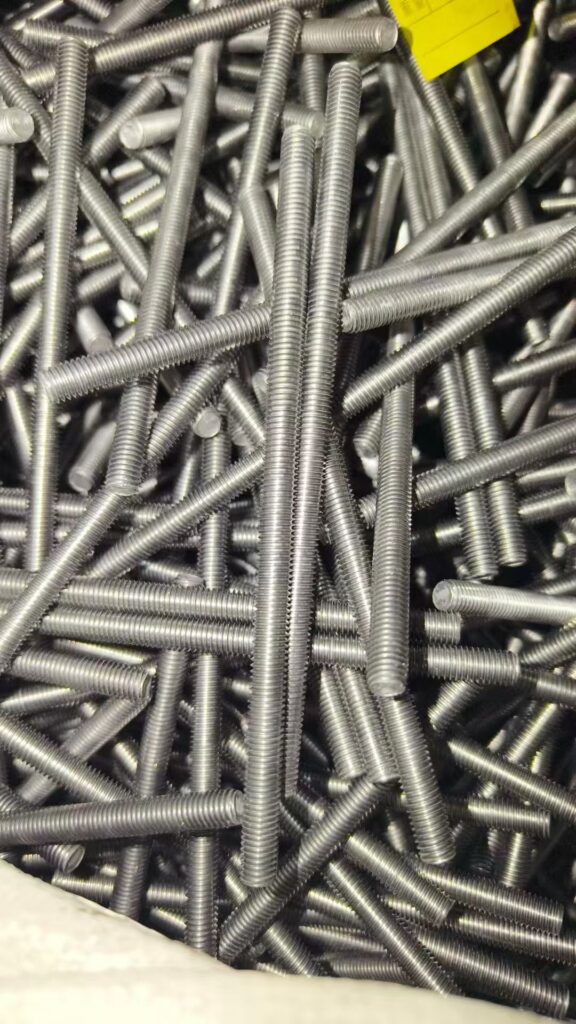
Choosing the right threaded rod is not simply a matter of selecting a diameter and length. Threaded rod grades, base materials, thread standards and surface coatings all affect load capacity, corrosion resistance, service life and total project cost. This guide explains the main factors buyers should compare before placing an order.
If you are sourcing threaded rods for construction, mechanical assembly, industrial equipment or infrastructure projects, use the checklist below to reduce specification errors and obtain a more accurate quotation.
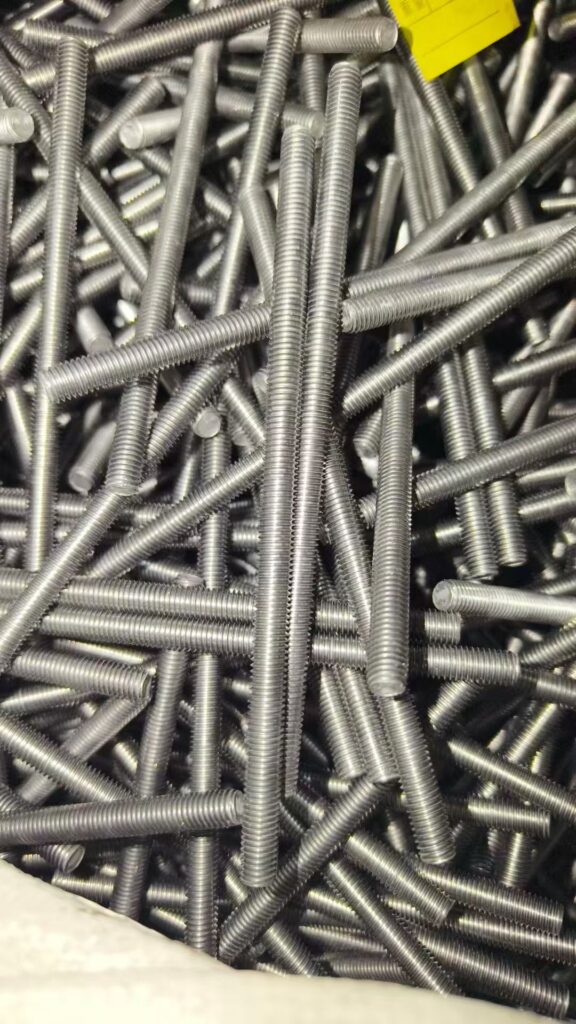
What Is a Threaded Rod?
A threaded rod, also called a threaded bar, stud or all-thread rod, is a long metal fastener with threads along most or all of its length. It is commonly used with nuts and washers to join, suspend, anchor or reinforce components where a standard bolt is not long enough or where adjustable positioning is required.
Typical applications include structural supports, pipe and cable suspension, HVAC installation, machinery assembly, concrete anchoring, formwork, electrical installations and maintenance repairs.
Why Threaded Rod Grades Matter
The grade or property class indicates the mechanical characteristics expected from the fastener material. A higher grade is not automatically the best choice for every application. Buyers must consider tensile strength, yield strength, ductility, operating temperature, corrosion exposure and compatibility with the mating nuts and washers.
- General-purpose carbon steel: suitable for many light and medium-duty indoor applications.
- High-strength carbon or alloy steel: selected where the design requires higher tensile or proof loads.
- Stainless steel: preferred when corrosion resistance, hygiene or appearance is important.
- Project-specific grades: may be required for pressure equipment, high-temperature service, structural work or regulated industries.
Common specifications may refer to metric property classes, DIN standards or ASTM grades. Never substitute one grade for another based only on appearance. Confirm the engineering drawing, applicable standard and required test documentation before production.
Common Threaded Rod Materials
Carbon Steel Threaded Rod
Carbon steel offers a practical balance of strength, availability and cost. It is widely used for construction supports, equipment installation and general industrial fastening. Because untreated carbon steel can corrode in humid or outdoor environments, the correct coating is an important part of the specification.
Alloy Steel and High-Strength Threaded Rod
Alloy steel threaded rods can provide increased strength and improved performance for demanding assemblies. Heat treatment, chemical composition and testing requirements should be clearly stated in the purchase order. High-strength products should be matched with compatible nuts and washers rather than mixed with lower-grade components.
Stainless Steel Threaded Rod
Stainless steel is commonly chosen for food equipment, marine environments, chemical facilities, outdoor architecture and other corrosive conditions. Stainless steel 304 is widely used for general corrosion resistance, while 316 is often considered for more aggressive environments. Final material selection should account for chemicals, salt exposure, temperature and cleaning procedures.
How to Choose a Surface Coating
Surface treatment changes both corrosion performance and dimensional behavior. Coating thickness can affect thread fit, so the nut, rod and coating system should be specified together.
- Plain or black finish: economical for dry indoor service, temporary installation or applications where oil or another protective system will be applied.
- Zinc plated: provides a clean appearance and moderate corrosion protection for many indoor and light-duty applications.
- Hot-dip galvanized: uses a thicker zinc coating and is commonly selected for outdoor construction and exposed environments. Threads and mating nuts must be produced with the coating allowance in mind.
- Stainless steel: corrosion resistance comes mainly from the base material rather than an applied zinc coating.
Thread Size, Pitch and Length
A complete threaded rod specification should state the diameter, thread pitch, length and thread system. Metric and imperial threads are not interchangeable. Even rods with a similar outside diameter may have different pitches and incompatible nuts.
- Diameter: specify the exact metric or imperial size.
- Pitch or threads per inch: identify coarse, fine or project-specific threading.
- Length: state the finished length and permitted tolerance.
- Thread direction: confirm right-hand or left-hand threads if the application is unusual.
- End condition: identify chamfered, cut, pointed or otherwise prepared ends.
SHENHUI supplies multiple threaded rod options for industrial and construction buyers. View our threaded rod product range for available product types.
Threaded Rod Standards and Documentation
International buyers often request products according to DIN, ASTM, ANSI, BSW or customer drawings. The standard should be written directly on the inquiry because similar product names can describe different mechanical and dimensional requirements.
For quality-sensitive orders, specify whether you require material certificates, mechanical test reports, coating thickness reports, dimensional inspection records or third-party inspection. Documentation requirements can influence production lead time and should be confirmed before the order is placed.
Seven Questions to Answer Before Requesting a Quote
- Which standard, drawing or property class applies?
- What diameter, pitch and finished length are required?
- Which base material is specified?
- What coating or surface finish is needed?
- What quantity and packaging method do you require?
- Are certificates, test reports or special inspections required?
- What is the destination country and requested delivery date?
Providing these details allows the manufacturer to check production feasibility, calculate an accurate price and recommend suitable packaging for export transportation.
Common Purchasing Mistakes
- Ordering by product name without stating a standard or drawing.
- Confusing zinc plating with hot-dip galvanizing.
- Mixing metric rods with imperial nuts.
- Using lower-grade nuts on high-strength threaded rods.
- Ignoring coating thickness and thread-fit requirements.
- Requesting certificates only after production has finished.
- Selecting stainless steel without checking the actual service environment.
Frequently Asked Questions
Is a higher threaded rod grade always better?
No. The correct grade depends on the engineered load, installation conditions, corrosion exposure and applicable standard. Unnecessary over-specification can increase cost without improving the finished assembly.
Can galvanized nuts be used with hot-dip galvanized threaded rod?
The components must be manufactured to provide compatible thread fit after coating. Confirm the coating system and mating nut requirements with the supplier rather than combining components from unrelated sources.
Can threaded rods be manufactured to custom lengths?
Yes. Custom lengths, materials, finishes and packaging are commonly available, subject to the manufacturer’s production range and minimum order quantity.
Request a Threaded Rod Quotation
SHENHUI manufactures and supplies threaded rods, bolts, nuts, washers and anchor fasteners for global buyers. Send us your standard or drawing, size, material, coating, quantity and documentation requirements. Our team will review the specification and prepare a quotation for your project.