
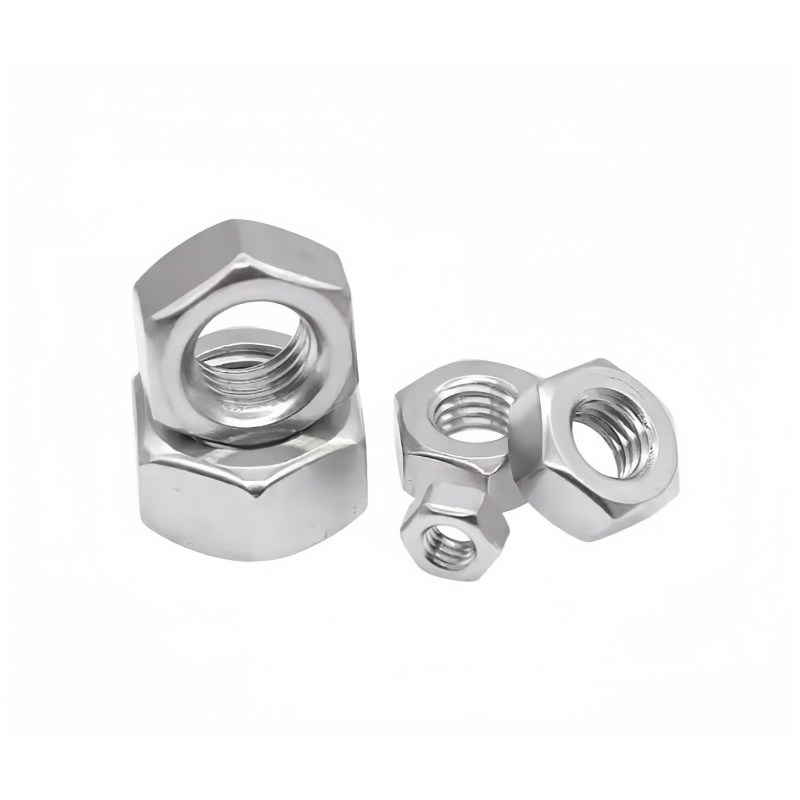
Hex nuts are one of the most widely used fasteners in construction, machinery, steel structures, automotive parts, electrical equipment and general industrial assembly. They are usually used together with bolts, threaded rods, studs and washers to create a stable clamping connection. For buyers and distributors, the key points are thread accuracy, material grade, surface finish, size consistency and reliable bulk packing.
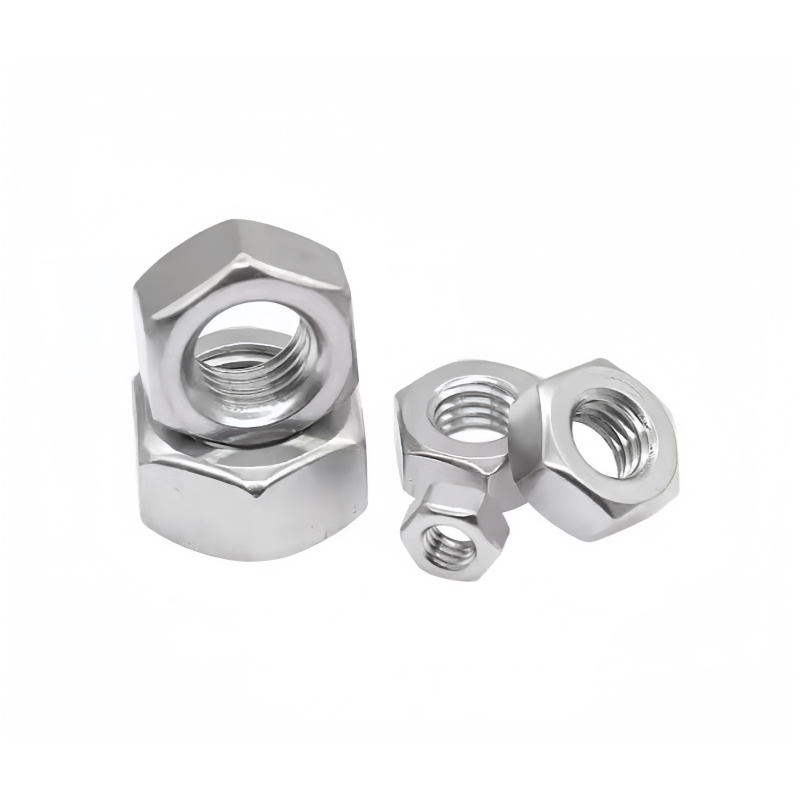
What Are Hex Nuts?
A hex nut is a six-sided internally threaded fastener. The hexagonal shape allows installers to tighten or loosen the nut with a standard wrench or socket. Hex nuts are simple, economical and suitable for many different fastening systems, which makes them a core product for fastener distributors and industrial buyers.
When paired with the correct bolt or threaded rod, a hex nut provides clamping force and helps secure metal components, machinery frames, brackets, pipe supports, cable tray systems and structural connections.
Common Standards: DIN934 and Metric Hex Nuts
DIN934 hex nuts are commonly requested in international purchasing. Buyers often specify metric sizes such as M5, M6, M8, M10, M12, M14, M16, M20, M24 and larger dimensions depending on the project. In addition to DIN934, customers may request ISO or drawing-based hex nuts for special applications.
- Thread: metric coarse thread, fine thread or custom thread.
- Material: carbon steel, alloy steel, stainless steel and special material options.
- Grade: commonly grade 4, 6, 8, 10 or customer-specified strength.
- Finish: zinc plated, yellow zinc, black oxide, hot dip galvanized, plain or stainless steel natural finish.
How to Choose the Right Hex Nut
Choosing the right hex nut starts with the working environment and the matching bolt grade. For indoor dry applications, zinc plated carbon steel hex nuts are often cost-effective. For outdoor or humid environments, hot dip galvanized or stainless steel options may provide better corrosion resistance. For high-load machinery, grade matching between bolt and nut is important.
- Confirm the standard, such as DIN934, ISO or customer drawing.
- Match the nut grade with the bolt or threaded rod grade.
- Check thread gauge requirements before shipment.
- Select surface treatment based on corrosion resistance needs.
- Specify carton, bag, pallet and label requirements for export orders.
Where Are Hex Nuts Used?
Hex nuts are used in construction fastening, steel frame installation, machinery assembly, agricultural equipment, automotive repair, solar mounting systems, pipe support, cable tray installation and general maintenance. Because they are standardized and easy to stock, hex nuts are an important product for wholesalers, contractors and fastener importers.
Quality Control for Bulk Hex Nut Supply
For bulk hex nut orders, quality control should focus on thread pass/no-pass gauge testing, across-flats dimension, nut height, surface finish, hardness, coating condition and packing stability. Consistent quality reduces installation problems and helps distributors maintain repeat customers.
Why Buy Hex Nuts from SHENHUI Fastener?
SHENHUI supplies hex nuts, flange nuts, threaded rods, bolts, washers and anchor fasteners for global customers. We support standard products and customized requirements based on size, grade, coating, packaging and order quantity. If you need DIN934 hex nuts or metric hex nuts for wholesale, construction or machinery projects, contact us for available sizes and quotation support.
Contact SHENHUI Fastener for hex nut quotation and bulk supply.